Ant Control That Reaches Beyond the Countertop
An ant treatment plan should reflect the way activity moves through the property. Trails may lead through wall gaps, plumbing openings, window frames, foundations, landscaping, irrigation areas, or exterior cracks before ants ever reach the room where you notice them. Our technicians inspect those patterns and select treatment around the species and site conditions.
Ant control can include:
- Species identification: We determine the type of ant involved so treatment can be matched to its nesting and feeding behavior.
- Trail inspection: We follow active routes to identify likely entry points, food sources, water sources, and nearby harborages.
- Targeted baiting: Baits can allow foraging ants to carry treatment back toward colony members that never appear in the open.
- Crack and crevice treatment: Small gaps around walls, cabinets, plumbing, windows, and structural openings can receive focused treatment where activity warrants it.
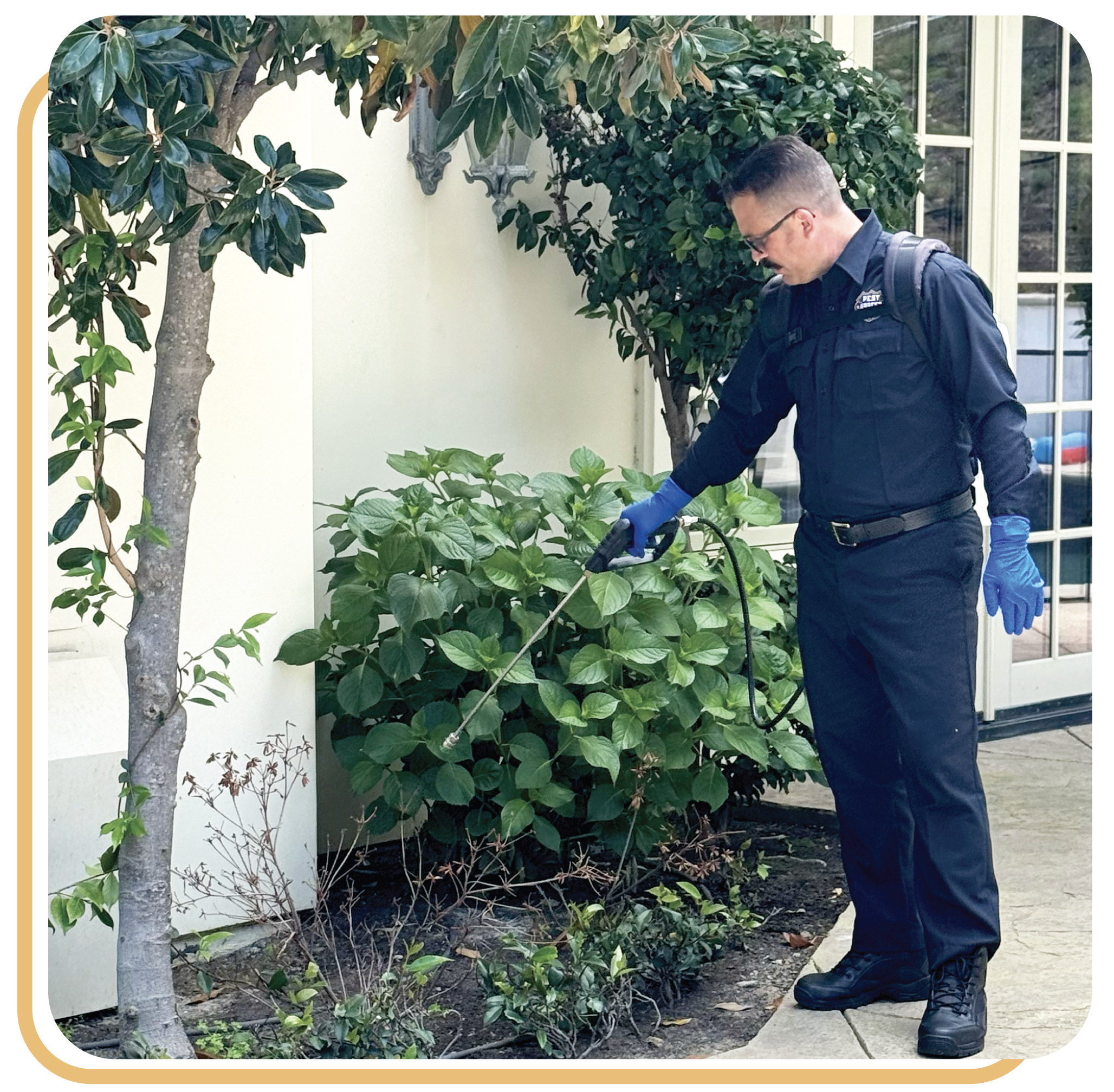
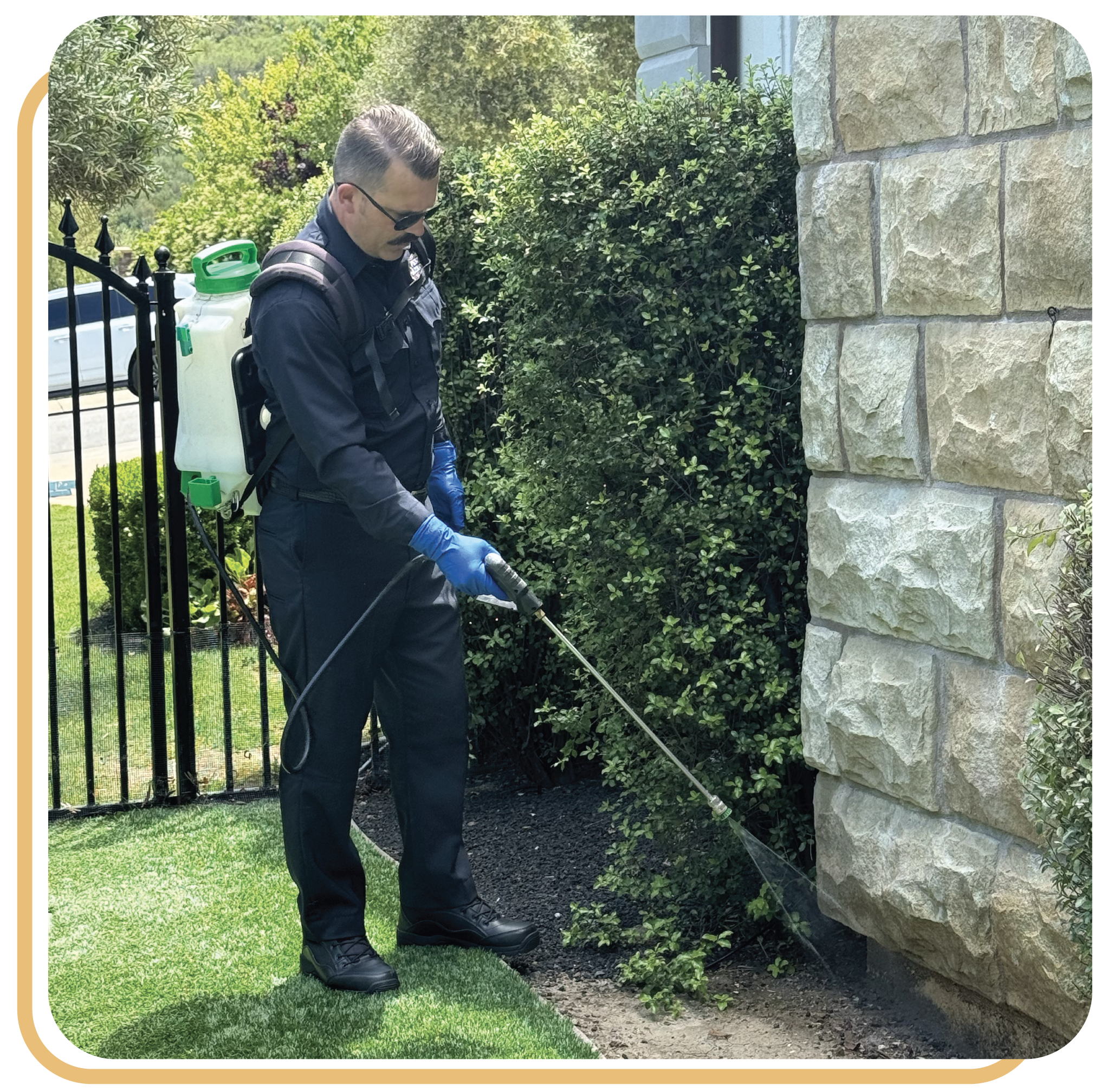
- Exterior treatment: Outdoor nesting areas and travel routes can be addressed when the infestation originates around landscaping, foundations, patios, or other exterior areas.
- Entry-point guidance: We identify accessible openings that may be giving ants an easier route into the structure.
- Moisture and food-source review: Small spills, pet food, condensation, irrigation, and plumbing moisture can all keep ant activity concentrated around a property.
- Follow-up monitoring: Continued activity can be tracked so the treatment approach can be adjusted instead of repeatedly starting over.
What Happens After You Show Us Where the Ants Are
The technician starts with the trails you have already found. Knowing where ants appear, what time of day you notice them, how long the activity has been happening, and which rooms are affected helps establish the first part of the inspection. From there, the technician works outward to look for entry routes, outdoor activity, moisture, food access, and likely nesting areas.
Once the species and activity pattern are clearer, treatment is placed where it can affect more than the workers walking across the room. You receive straightforward pricing before approved service moves ahead. Follow-up recommendations depend on the infestation, property conditions, and how activity changes after the first treatment.
Customized Treatments for the Ant Problem You Actually Have
A line of ants near a kitchen window does not automatically call for the same service as recurring colonies around a commercial building, apartment property, or landscaped yard. Pest Arrest tailors treatment plans to the pest and property and offers both traditional and eco-friendly options when customers want a greener approach to pest management.
That flexibility also matters when ants are only one part of a larger pest issue. Our residential pest control and commercial pest control services can address broader activity when inspections uncover additional pest pressures around the property.
The Ant Questions Santa Clarita Customers Usually Ask First
Ant activity can change quickly, especially once workers find a reliable source of food or moisture. These are some of the questions that help property owners understand what they are seeing before service begins.
Why do ants keep coming back to the same spot in my Santa Clarita kitchen?
Foraging ants can establish chemical trails between the colony and a dependable food or water source. Removing the visible ants does not necessarily eliminate that route, so new workers may continue following it until the colony and attraction points are addressed.
Why did ants suddenly appear after hot weather?
Changes in temperature, moisture, and outdoor conditions can push ants to search farther for water and food. Southern California properties may see activity shift indoors when outdoor resources become less dependable.
Can ants come into a clean home?
Yes. Ants can survive on very small food sources and may be drawn primarily by water. Crumbs beneath appliances, pet feeding areas, condensation, plumbing moisture, and tiny spills can be enough to maintain regular activity.
Should I spray an ant trail before the technician arrives?
It can be more useful to leave an active trail undisturbed when practical so the technician can see where the ants are traveling. Heavy use of consumer sprays can scatter activity or make the route harder to trace during the inspection.
Do recurring outdoor ants mean I need ongoing pest control?
Not every ant sighting requires a recurring plan, but properties with repeated seasonal activity may benefit from regular inspection and prevention. Pest Arrest’s preventative pest control plans include customized treatment and routine property inspections for common pests, including ants.
What Ant-Specific Experience Actually Changes About the Outcome
Recognizing which species is involved, how far outdoor colonies typically range, and why certain properties keep attracting activity year after year is a different skill than treating a countertop trail on sight. Pest Arrest has built that pattern recognition serving customers across Southern California since 1992, handling everything from single kitchens to landscaped commercial sites as a family-owned operation the whole way through.
That background is also why the company backs its work with a 100% Problem Solved Guarantee rather than a one-time application. The goal on an ant call is not making today’s trail disappear. It is identifying the colony and the conditions feeding it, then standing behind the result if activity returns.
Ant Control From Santa Clarita Into the San Fernando Valley
Santa Clarita sits at the center of our service area, with ant control also available in Canyon Country, Newhall, and Stevenson Ranch. These communities can experience similar ant pressure, but the route into each property changes with landscaping, irrigation, building design, moisture, and nearby nesting areas.
That is why service starts with what is happening at the address rather than assumptions based only on the city. Technicians can focus on the active trail, inspect the surrounding property, and determine how much of the treatment needs to happen indoors, outdoors, or across both areas.